







Metric
Imperial
Predicting Sunset Quality [Guide]
Sunsets are as unpredictable as the weather. Some days, the sun sets without even the smallest hint of color, while on other days an orange hue covers the western horizon. On rare occasions, the sky is ablaze with red and pink colors reflecting off of the clouds.
In this article, you will learn how different factors influence sunset quality, how you can predict sunset quality yourself, and which tools can do it for you.
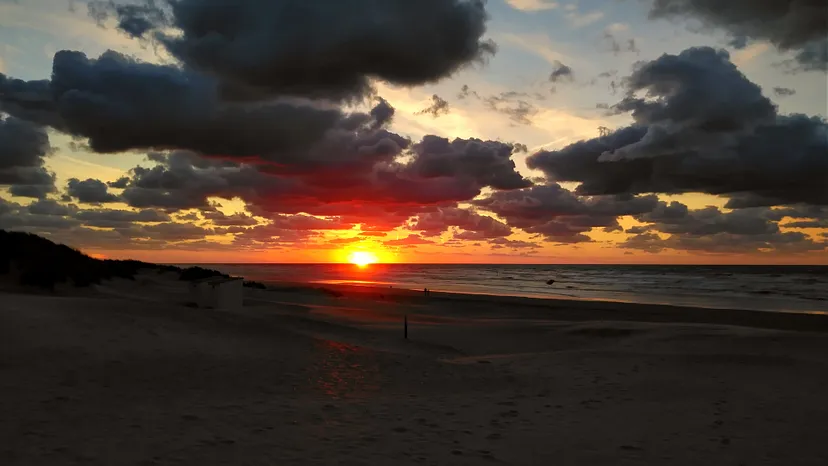
Sunset on the coast with cumulus and cirrus clouds present (Belgium)
The Origin of Colors at Sunset
The colors during sunset range from yellow to red and sometimes even pink or purple. During the day, the sun shines straight onto the earth's surface. The distance the light has to travel is relatively small. The blue wavelengths get refracted the most, resulting in a blue sky.
When the sun is rising or setting, the light travels a lot longer through the earth's atmosphere. A portion of the blue and green wavelengths are filtered out. The red wavelengths make it through. That's why sunsets are often red. When the sunset is more yellowish, more green wavelengths get through. Pink sunsets are caused by more blue light.
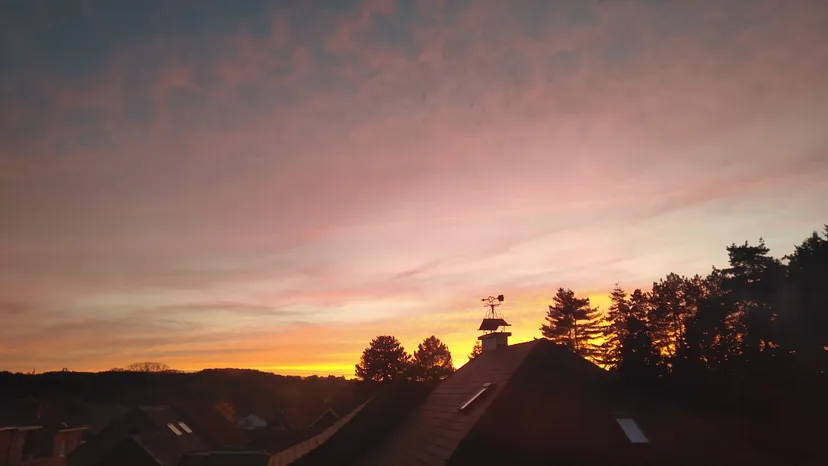
Cirrostratus and altostratus clouds covering the sky during sunset
The Importance of Clouds
Clouds are the most important factor in predicting sunset quality. Mainly the altitude of the clouds and the percentage of the sky covered with them are essential. Without clouds, the sunset will be boring and relatively quick. Clouds can reflect the warm light of the setting sun over the whole skybox even after the sun has set.
Clouds are divided into three categories: low, mid-level and high clouds. The mid-level clouds have the word “alto” in their name, while high clouds consist of the word “cirro”. The boundary between low and mid-level clouds is set at 2000 m, and high clouds are located above 6000 m.
The Altitude of Clouds
When there are a lot of low clouds present, the sunset probably won't be spectacular. Low clouds sit relatively close to the earth's surface, when they cover a big part of the sky, the mid-level and high clouds won't be visible anymore. Due to their thick structure, they can block the sunlight at the horizon.
If the horizon isn't covered with clouds, low clouds can briefly light up from the underside a couple of minutes after or during sunset. Mid-level and especially high clouds can light up for longer periods after sunset due to their greater altitude. Even though the sun might already have set, the undersides of these clouds can still reflect sunlight.
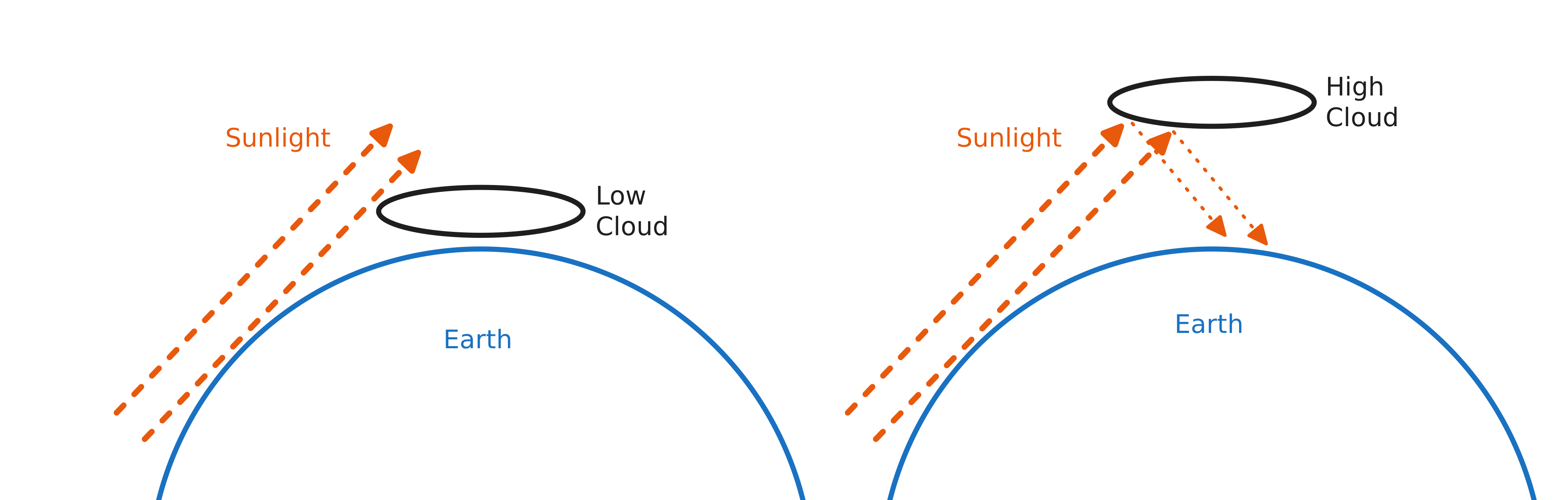
[Figure 1] Exaggerated visualisation of low and high clouds after sunset
Cloud Types
Not only the altitude of the cloud is important, but the cloud type is also essential. Let's quickly look into the most common cloud types.
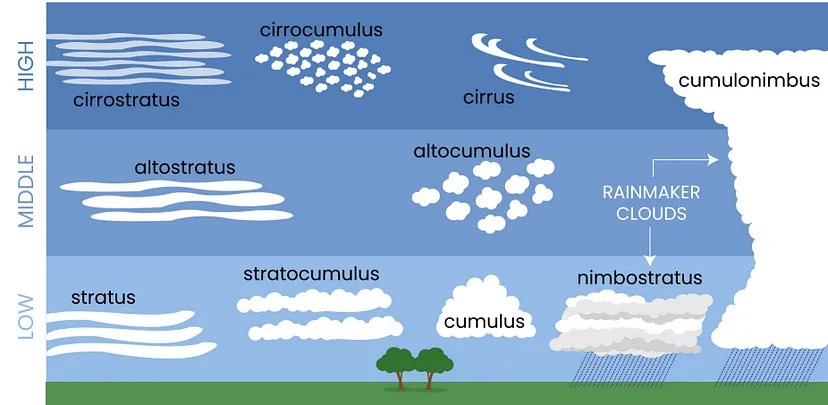
Cloud Types (figure by https://scied.ucar.edu/learning-zone/clouds/cloud-types)
Stratus-type clouds
This type of cloud can be found on all levels (low, mid, and high). They are known for their lack of structure (especially when located near the earth's surface). They lay as a blanket over the sky and don't let a lot of sunlight through. The cirrostratus type (high stratus clouds) do generally let more light through. A sky filled with stratus clouds often results in a poor sunset.
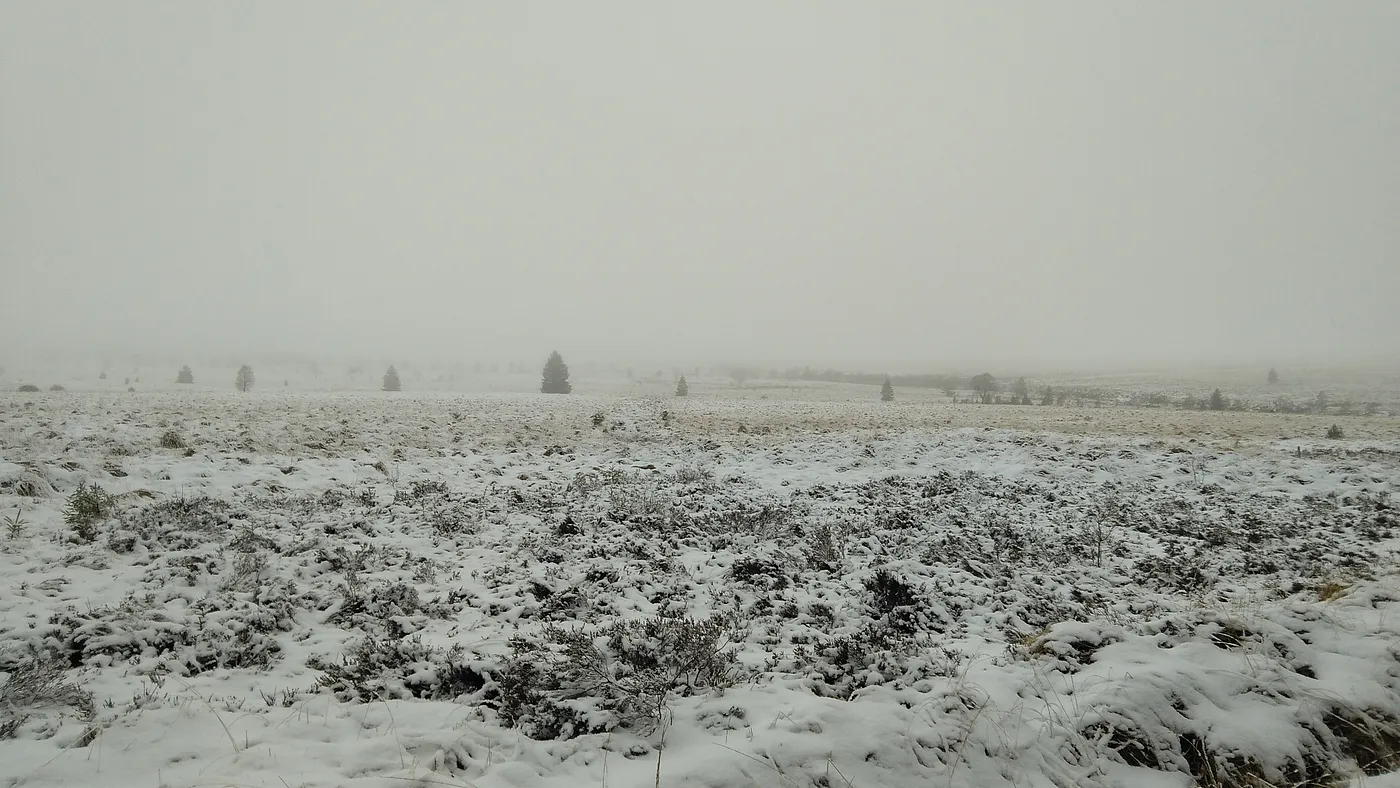
A wintery day with a lot of low-hanging stratus clouds (High Fens, Belgium)
Cumulus-type clouds
Cumulus clouds are very recognisable clouds. They look like cotton balls and they can be present at low, mid and high altitude levels. During the days these clouds are white on top and gray on the bottom. In the evening the clouds can reflect sunlight on their bottom and sides. The higher the cloud, the longer the reflection period and the more spectacular the colors.
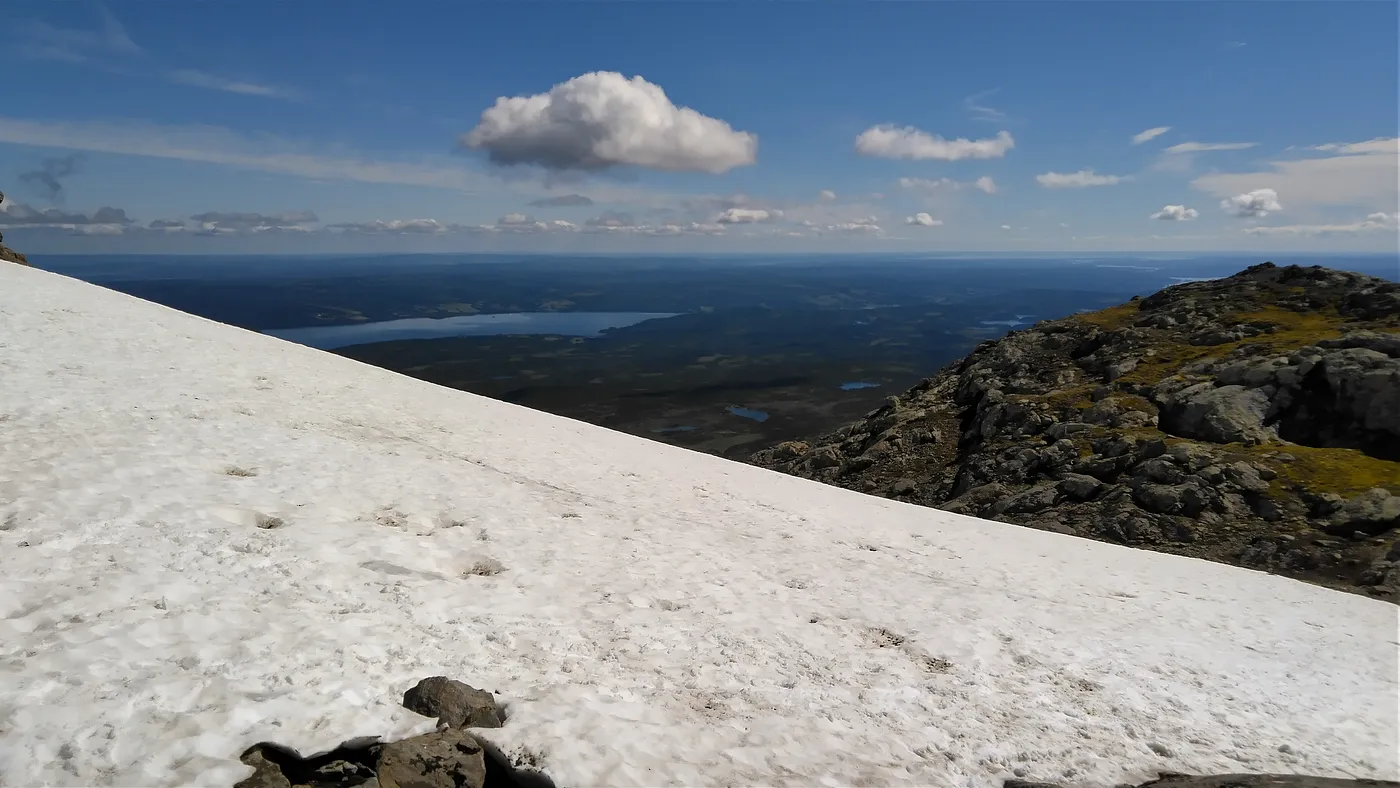
Small cumulus clouds in Åre, Sweden
Cirrus clouds
Arguably the best clouds for sunsets are cirrus clouds. These clouds are of the high type, in contrast to the previous types, there are now low and mid-level counterparts. Cirrus clouds look like feathers, they never cover the whole sky resulting in a perfect balance between sunlight and reflection.
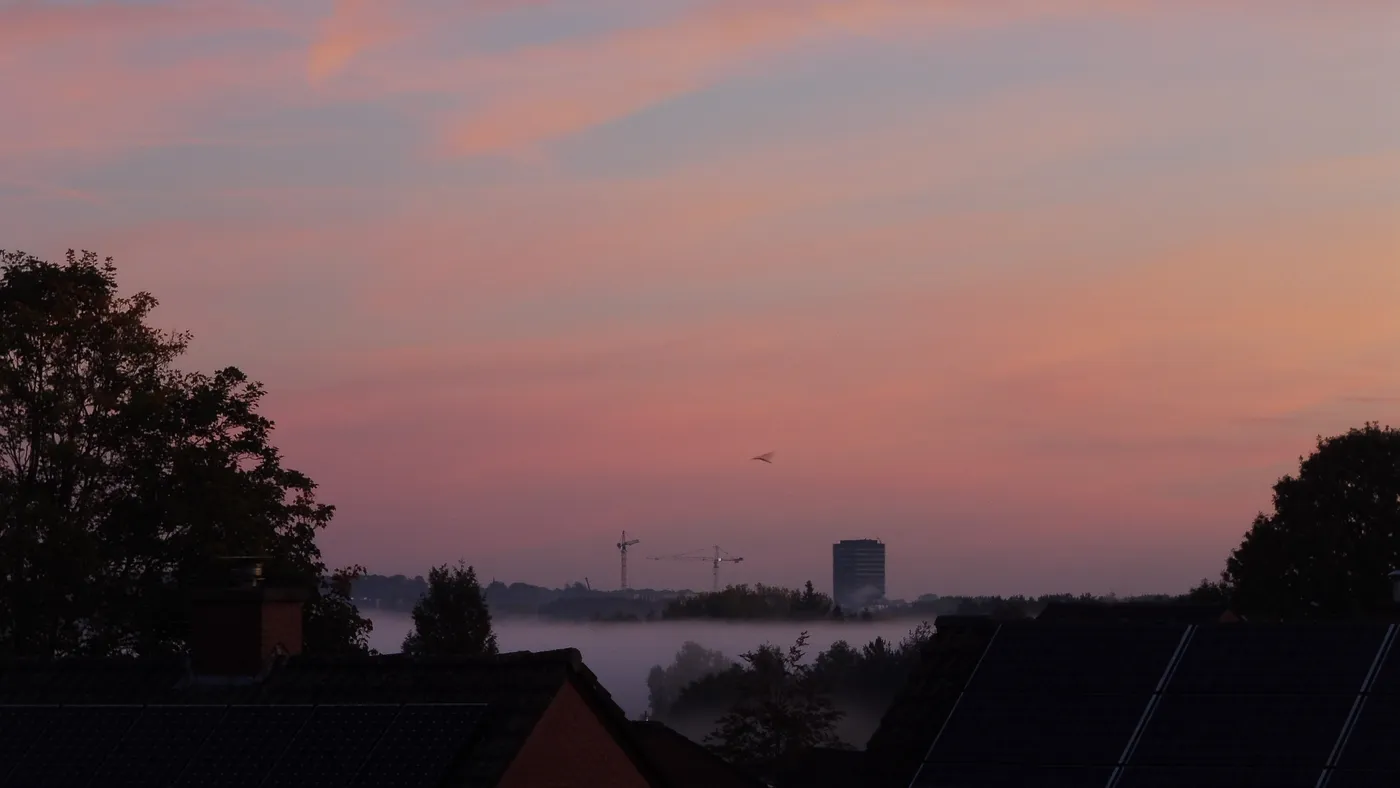
Cirrus clouds before sunrise
Cloud Overview
For the ideal sunset, mid-level and high clouds are preferred with a total cloud cover of around 40-60%. Cirrus and cumulus-type clouds are the ideal cloud types for the best reflections.
| Name | Altitude | Cloud Type | Sunset Quality (average) |
|---|---|---|---|
| Stratus | Low | Stratus | Very Poor |
| Nimbostratus | Vertical | Stratus | Very Poor |
| Stratocumulus | Low | Cumulus | Poor |
| Cumulus | Low | Cumulus | Poor |
| Cumulonimbus | Vertical | Cumulus | Poor |
| Altostratus | Mid | Stratus | Good |
| Cirrostratus | High | Stratus | Good |
| Altocumulus | Mid | Cumulus | Very Good |
| Cirrocumulus | High | Cumulus | Very Good |
| Cirrus | High | Cirrus | Very Good |
Air Quality and Humidity
Clean air results in more beautiful sunsets most of the time. The light can pass through the atmosphere more easily, resulting in more vibrant colors. In some occasions, if there is a lot of dust in the air, for example, the blue and green light rays can get refracted more, resulting in a bright red sunset.
The impact of humidity on the sunset quality isn't all-deciding but can be significant. Higher humidities mean that there is more water vapor in the air. This water vapor absorbs part of the light. That's why sunsets are generally less vibrant during humid conditions (often occurring during summer).
Timing and Colors
Low clouds start to light up during sunset for a brief period, often no more than a couple of minutes. High clouds can stay painted in warm colors for up to 30 minutes after the sun has set, due to their altitude. The higher the clouds, the longer the period of light reflection. Sometimes, the colors only show up 15 minutes after the sun has set.
The lower the sun descends, the farther the light has to travel through the atmosphere, that's why the color of the sunset changes over time. It generally starts with yellow or orange colors during sunset, reflected by the low clouds. After the sun has set, the colors go into the reds and eventually pink or purple. These colors can only be reflected by mid-level and high clouds.
The colors can stay present up to 30 minutes past sunset on high clouds. Whereafter the sun finally descends too much to light up the clouds. The clouds turn gray and the night starts to fall.
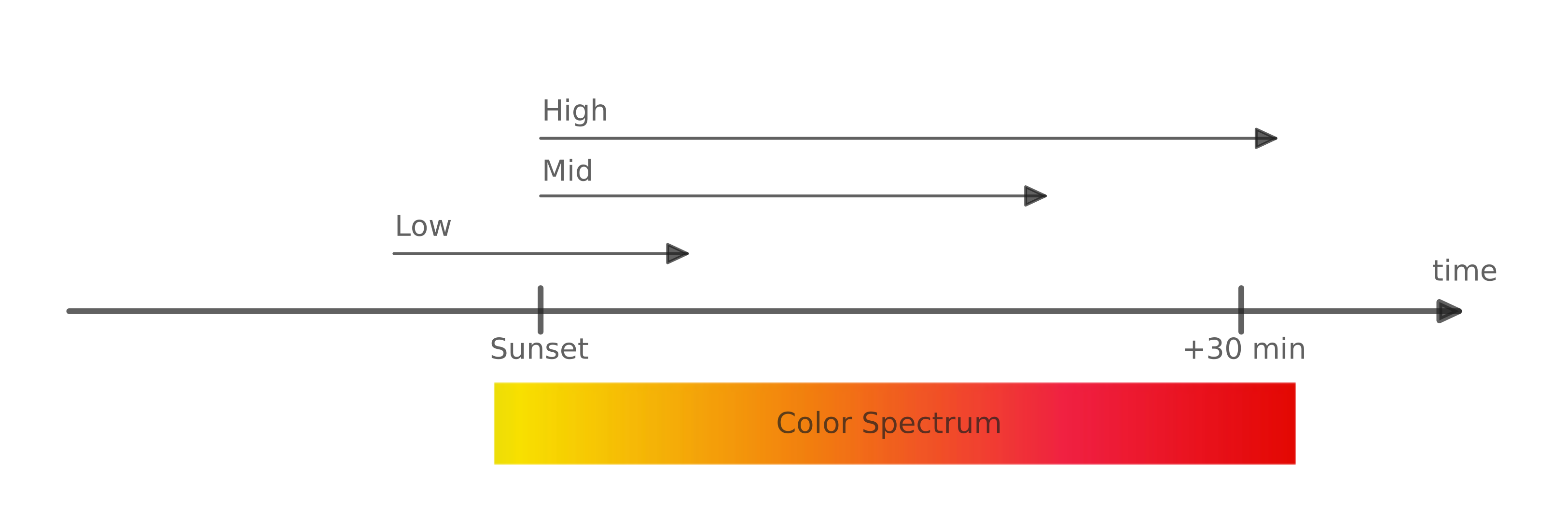
[Figure 2] The range of colors during and after sunset
Conclusion
These are the ingredients needed for a perfect sunset:- High or mid-level clouds (altocumulus, cirrocumulus, cirrus)
- A cloud cover around 50%
- No clouds at the horizon where the sun will set
- Clean and dry air (preferred)
- Stay for up to 30 minutes past sunset
An alternative to trying to predict the quality of a sunrise or sunset yourself, you could use a tool like Sunsethue. Sunsethue is completely free, it has sunrise and sunset predictions for all locations in the world. You can try it here.
© 2026 - Sunsethue (v0.11.0-beta)
-
Made in Europe
